
The main content of this page starts here
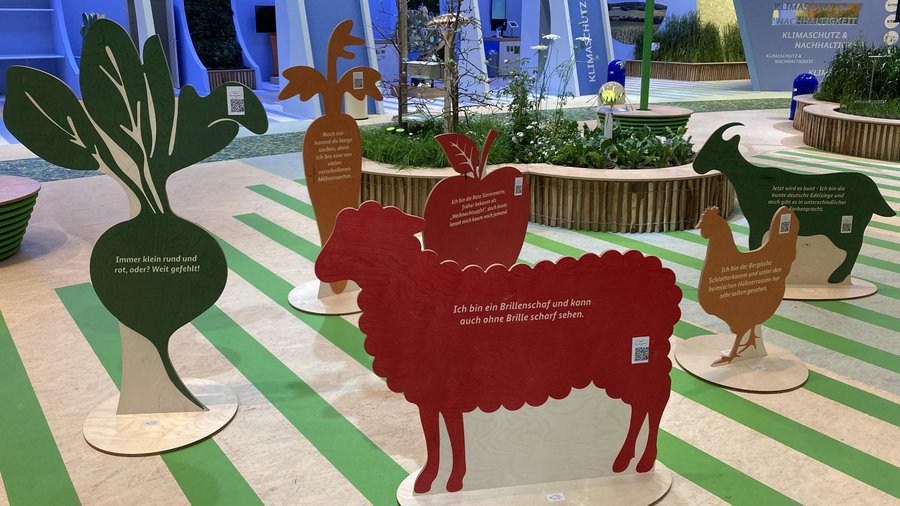
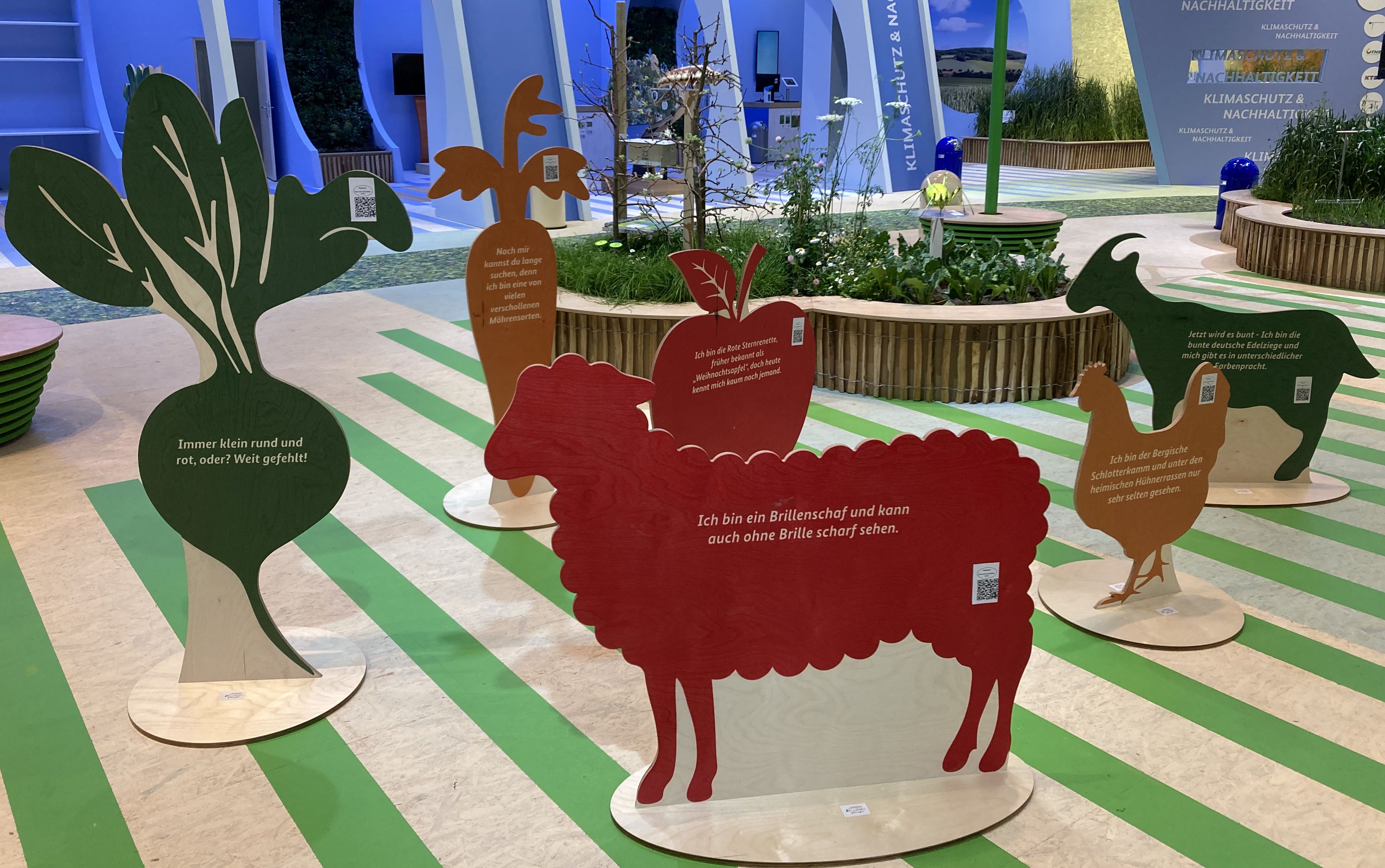
Genetic diversity is one level of biodiversity. It describes the variety of genetic information that living organisms carry in their genomes. For many years, the United Nations Food and Agriculture Organization has been warning that the diversity of cultivated plants and livestock is being lost. Why is this a cause for concern? Preserving the diversity of our varieties and breeds is of enormous importance for the future.
For agriculture, the genetic diversity of the plants and animals used constitutes an essential foundation for breeding. Innovations involving new varieties and breeds for future use contribute to securing food and raw material supplies. Agricultural systems with high levels of diversity are better equipped to withstand threats such as pests, pathogens, or the impacts of climate change.
The diversity of native plant varieties and livestock breeds—along with the knowledge regarding their cultivation, propagation, and use—constitutes a cultural asset worthy of protection that also holds economic potential. Whether serving as the face of a region, like the Murnau-Werdenfelser cattle, or forming part of regional history, like the "Lippische Palme" kale, examples can be found across all regions of Germany that offer opportunities for value creation.
To date, insufficient importance has been attached to genetic diversity, and consequently, it has not yet been documented on a large scale. Therefore, a nationwide monitoring system for genetic diversity in agriculture is being developed within the framework of MonViA; this system covers selected livestock species and arable crops, as well as the genetic diversity of honey bees.