The main content of this page starts here
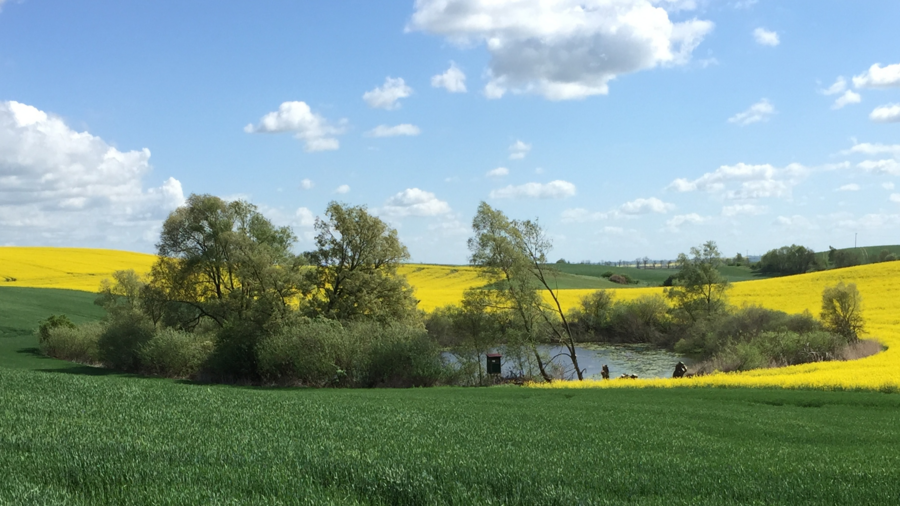
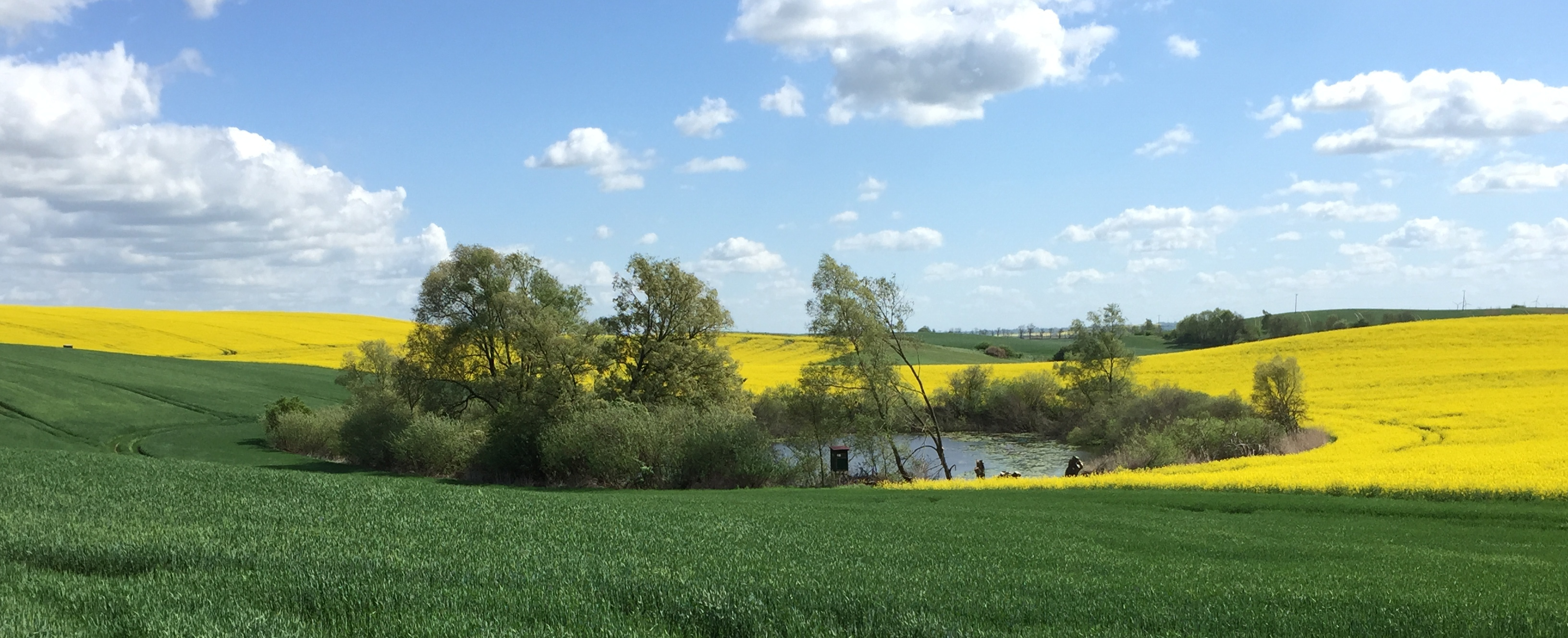
Small freshwater systems in agricultural landscapes are potentially exposed to pollution from plant protection products and fertilizers, as well as habitat alteration and degradation, leading to changes and damage to aquatic species communities. At the same time, small waterbodies are diverse habitats that harbor the highest species diversity and the highest proportion of endangered species at landscape scale compared to other aquatic ecosystems such as lakes, rivers or streams. As stepping stone biotopes, they also play an essential role in the dispersal of species and contribute to habitat diversity and heterogeneity of the landscape. A national biological monitoring system for small waterbodies does not exist to date and its conceptual development is not trivial due to the number and diversity of these exosystems - in Mecklenburg-Western Pomerania alone there are about 60.000 small waterbodies in or adjacent to agricultural land.
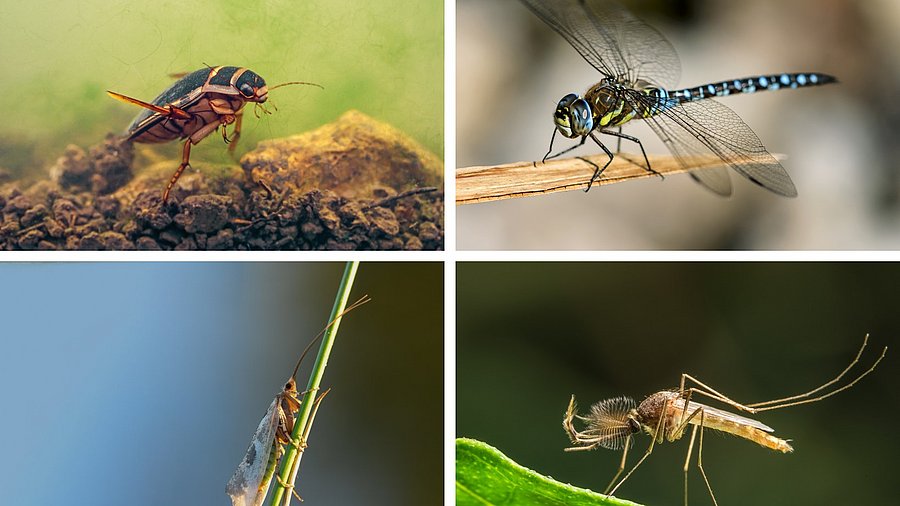
The ecological status of 81 agriculturally influenced small waterbodies, kettle holes in the north-eastern German lowlands, has been evaluated by the JKI based on the developed indicator set. The indicators applied describe the biodiversity of benthic macroinvertebrates using their number of species, the number of particularly sensitive species (EPT taxa; mayflies, stoneflies and caddisflies) and the Shannon index, as well as stressors like plant protection products, nutrients and riparian vegetation, and assess the impact of plant protection products and habitat diversity on the aquatic fauna. Results show that low habitat diversity within the ponds and insufficient shielding from contaminant inputs due to sparse riparian vegetation can contribute significantly to biodiversity impairment. Some waterbodies also showed considerable contamination by certain plant protectant substances. In the course of this first application, the developed indicators were refined and their applicability reviewed. The results of the report provide an early insight into the ecological status and pressures on small water bodies in Germany's agricultural landscape and will provide a basis for future trend analyses.