
The main content of this page starts here
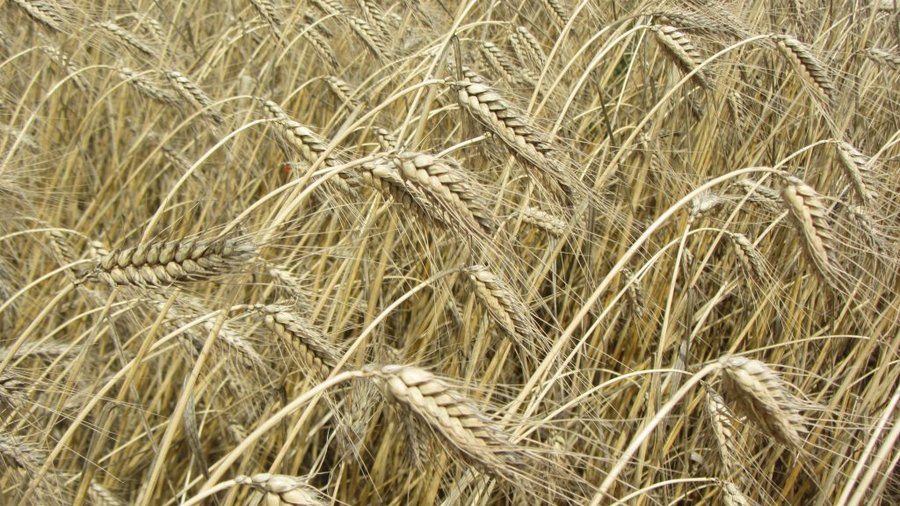
The genetic diversity of crops is an essential foundation and valuable resource for sustainable and future-proof agriculture. With their diverse shapes and colors, crops provide a wide variety of taste experiences. They are not only a cultural asset but also the basis for selection and breeding. This allows varieties to be adapted for the future, for example to extreme weather events. The risk of crop failures due to newly introduced diseases and pests can be mitigated by using crops with high resistance and resilience. The greatest possible diversity allows for the introduction and utilization of new traits that will be needed in the future.
For monitoring purposes, agricultural statistics from 1920 onward regarding the number of fruit species cultivated and their cultivated area are analyzed. Variety lists for the four representative species—wheat, potato, carrot, and apple—and the corresponding cultivated area are compiled. The third indicator presents genetic analyses of listed varieties of the representative species with regard to their genetic variability.