
The main content of this page starts here
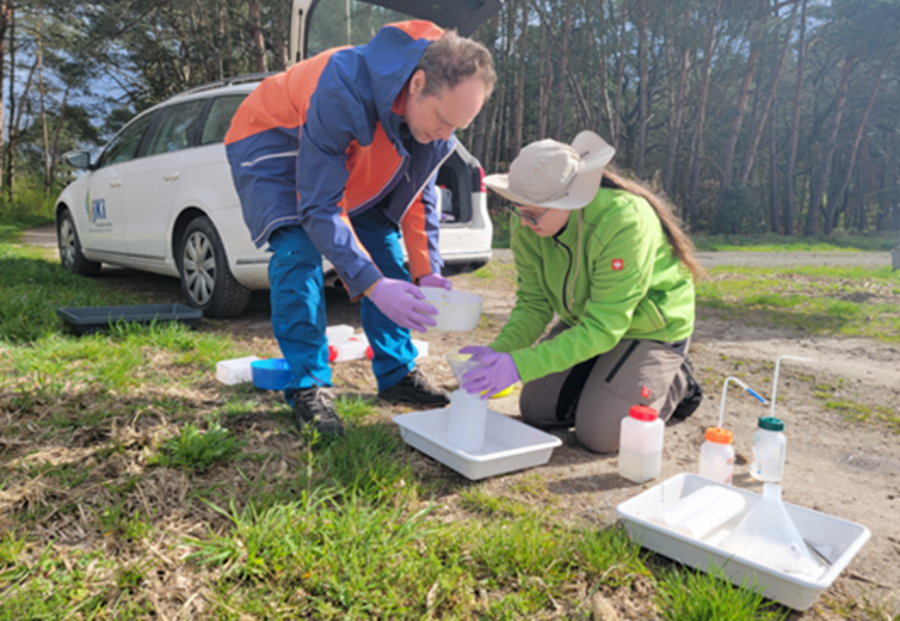
Pan trap sampling is used to determine the status and trends of bee communities in Germany's agricultural landscape. Native bee communities comprise numerous species of wild bees. At the same time, honeybees managed by beekeepers in Germany are an integral part of these communities and contribute significantly to pollination.
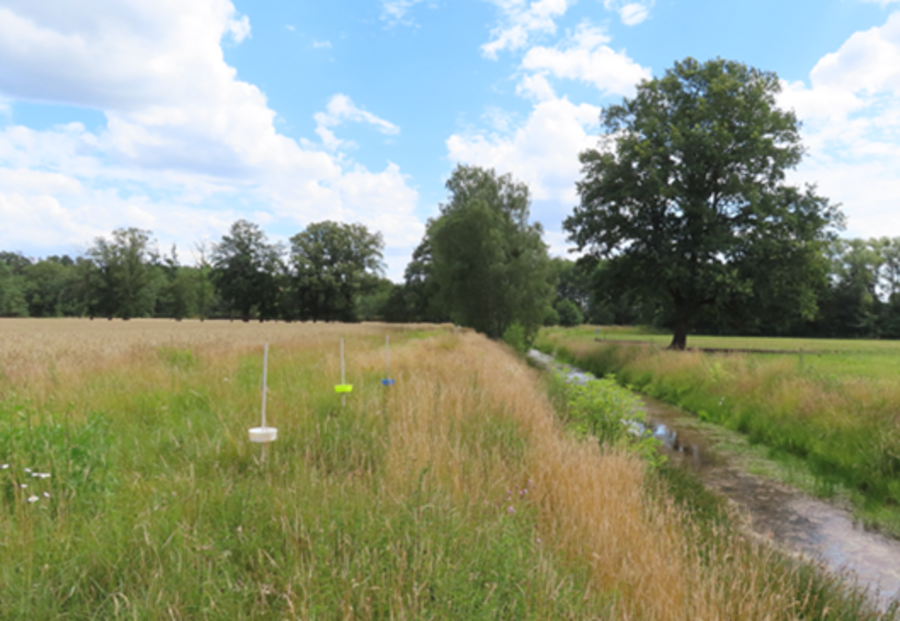
While surveys using nesting aids and approaches focused on individual bee groups only consider a very small proportion of the wild bee community, pan trap monitoring allows for standardized sampling of the entire bee community. Furthermore, pan traps make it possible to sample many locations almost simultaneously and with the same sampling effort. This is particularly important because bee activity varies considerably both throughout the year and in much shorter periods, for example, depending on the weather conditions.
Reproducible and comparable surveys over several years and at different locations are therefore a fundamental prerequisite for deriving reliable trends in bee communities. Accordingly, pan traps are well-established in bee monitoring in the EU and North America.
The sampling framework of this module is based on the HNV Farmland and Ecosystem Monitoring. Pan trap monitoring includes the indicators of bee diversity, abundance, and biomass, as well as total biomass. Bycatch, consisting primarily of flower-visiting insects, is also analyzed via DNA metabarcoding. Synergies with other MonViA modules can enable more comprehensive analyses and clearer recommendations regarding land use and agricultural policy instruments.