
The main content of this page starts here
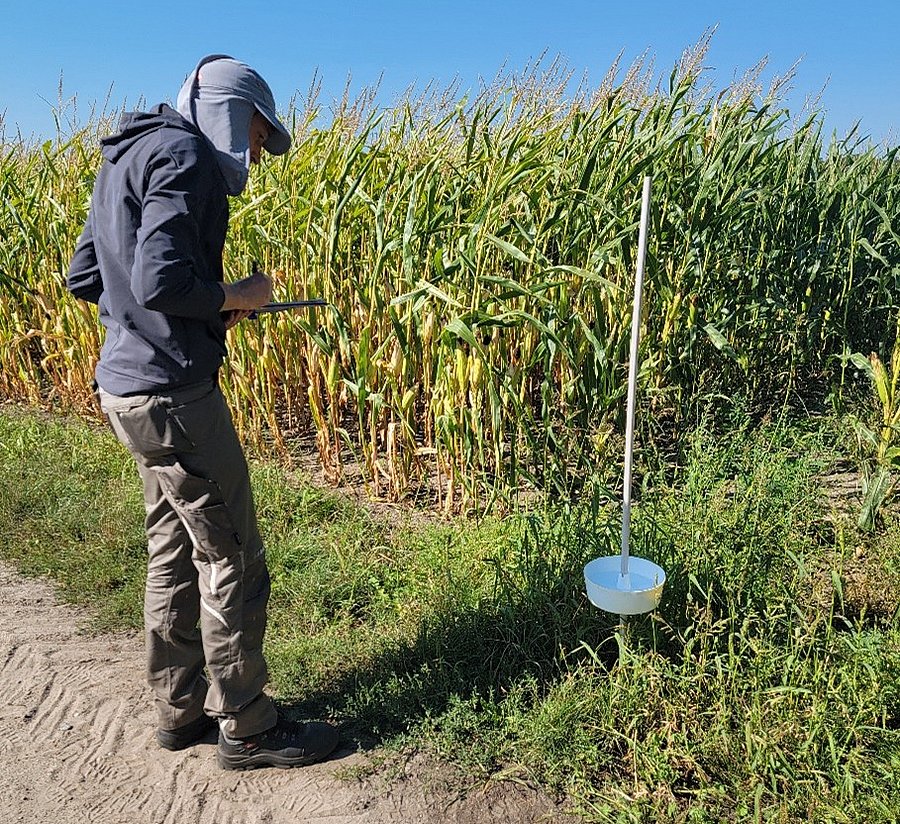
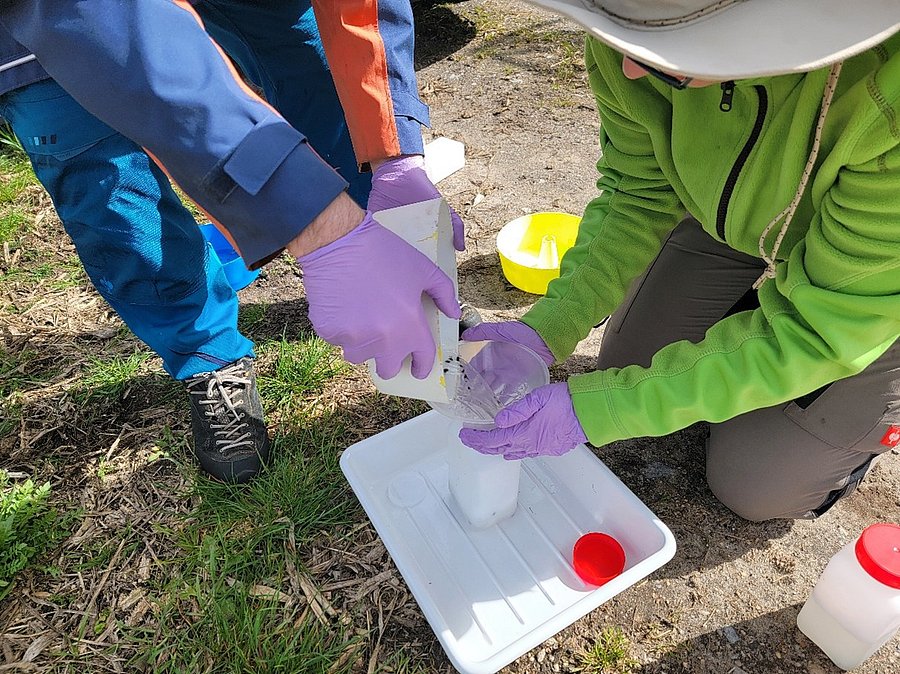
The number of individuals recorded with pan traps represents an estimate of bee activity density at an agricultural site. The bees are morphologically classified into groups and counted (e.g., bumblebees and honeybees). This also yields information about honeybee presence and population density at the site. Compared to solitary bees, the number of individuals is less suitable for social species like honeybees and bumblebees to infer the state of their populations. Instead, the number of reproducing colonies is crucial for social species. However, abundance indirectly reflects the potential pollination services provided by insects. Recording local flowering plants and using repeated pan trap sets at the site are important to assess potential biases in the recorded abundance.