
The main content of this page starts here
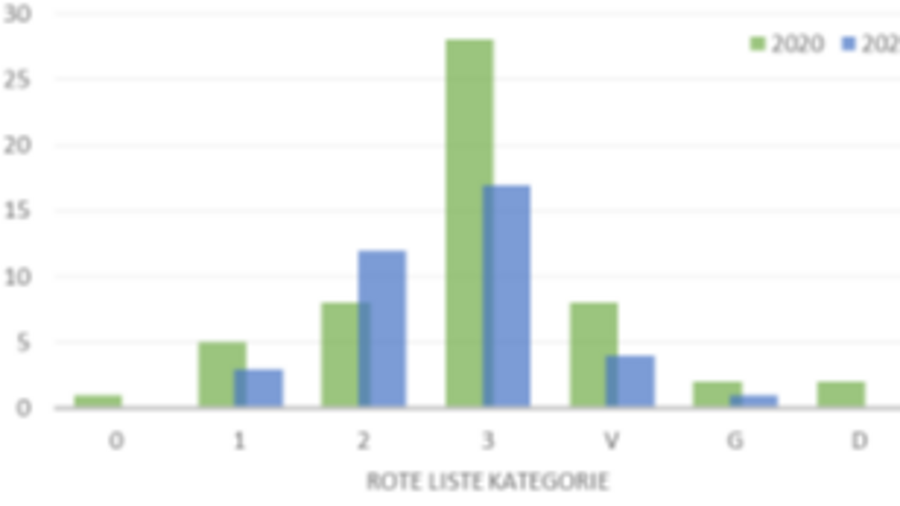
| Ecological relevance | The Red List lists endangered species. The number of Red List species in a habitat provides insights into ecosystem health. A high number of endangered species indicates good habitat quality. |
| Description | The indicator "Insect diversity in viticulture - number of Red List insect species" serves to list threatened species in viticulture and thus to monitor species relevant to nature conservation. The extent to which negative developments such as insect decline are occurring in viticulture is unknown and is to be recorded. |
| Data basis | The indicator "Insect diversity in viticulture - number of Red List insect species" serves to list threatened species in viticulture and thus to monitor species relevant to nature conservation. The extent to which negative developments such as insect decline are occurring in viticulture is unknown and is to be recorded. |
| Calculation | The annual species lists from the metabarcoding are compared with the Red List, the number of threatened species per location is calculated, and changes are compared with Red List species from previous years. |
| Spatial reporting level | The indicator value is reported for the institute's own areas of the Julius Kühn-Institute for Plant Protection in Fruit and Wine Growing in the Southern Palatinate and the Rural Service Centre on the Moselle. |
| Report intervall | Once monitoring begins, the indicator will be reported annually. |
| Interpretation | The appearance or disappearance of threatened species reveals trends in the state of insect diversity. Developments in this indicator can demonstrate the effects of measures already implemented, as well as the need for further conservation measures. Spatial and temporal consistency of individual species and their occurrence in specific years can be retrieved from the stored species lists in the metabarcoding. |